When selecting flooring for a home renovation or new construction project, durability is often a top concern. Two popular choices are marble and porcelain tiles, each offering distinct advantages and aesthetic appeal. Understanding the unique characteristics of these materials helps in making an informed decision. This article will explore the durability of Marble Tile Flooring and porcelain tile flooring, examining their distinctive features, and providing guidance on choosing the right option for your space.
Marble Tile Flooring: Characteristics and Durability
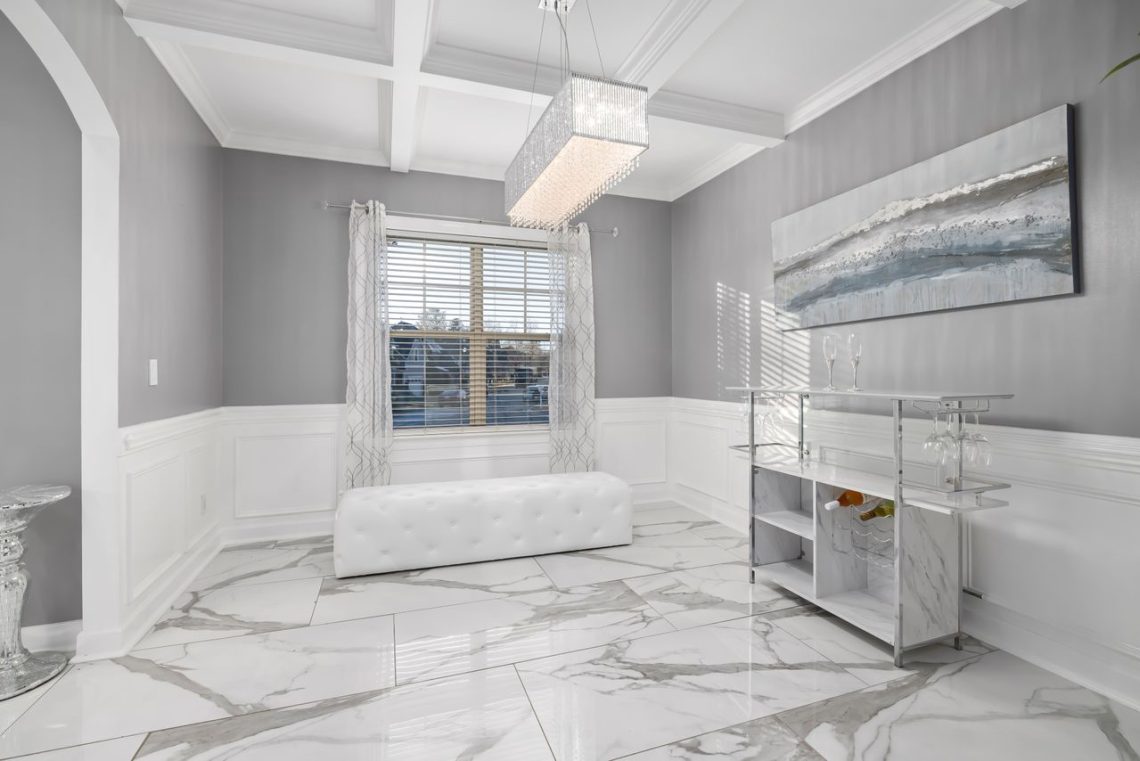
Marble Tile Flooring is renowned for its timeless beauty and elegance, often seen in luxury settings. This natural stone, formed under intense heat and pressure, showcases unique veining patterns that add character to any room. However, marble’s porosity makes it susceptible to staining and etching from acidic substances. To maintain its appearance and durability, regular sealing is necessary, a process that should be part of your finish schedule to ensure long-term protection.
While marble tiles can withstand substantial foot traffic, they are softer compared to porcelain tiles. This softness can lead to scratching and chipping over time, especially in high-traffic areas. It is essential to incorporate protective measures in your space planning, such as using area rugs or furniture pads, to minimize surface damage and prolong the life of the flooring.
Porcelain Tile Flooring: Features and Strength
Porcelain tile flooring is a favored choice for its exceptional strength and low maintenance requirements. Made from dense clay fired at high temperatures, these tiles are highly resistant to moisture, stains, and scratches. This resilience makes porcelain ideal for both indoor and outdoor applications, including hardscape projects, where durability against the elements is crucial.

Another advantage of porcelain is its versatility in design. Advances in CAD (Computer-Aided Design) technologies allow for a wide range of styles and color renderings that mimic natural materials, including marble. This flexibility enables designers to create cohesive mood boards that align with various interior themes while maintaining the practical benefits of porcelain’s durability.
Comparative Analysis of Durability in Marble and Porcelain Tiles
When comparing the durability of marble and porcelain tiles, several factors must be considered. Porcelain tiles generally offer greater resistance to wear and tear due to their dense composition. According to recent analysis from Architectural Digest, porcelain’s water absorption rate is lower than 0.5%, enhancing its durability in moisture-prone areas such as bathrooms and kitchens.
In contrast, marble’s natural beauty comes with the trade-off of higher maintenance. While it can be resilient with proper care, its susceptibility to scratches and stains is a significant consideration. For areas subjected to heavy use, porcelain may be the more durable option. However, for spaces where aesthetic appeal and luxury are paramount, marble remains unmatched.
Choosing the Right Flooring for Your Space: Marble vs Porcelain
Deciding between marble and porcelain tile flooring involves evaluating your specific needs and preferences. For high-traffic areas or spaces exposed to moisture, porcelain offers superior durability and ease of maintenance. Its robust nature and design versatility make it a practical choice for homeowners prioritizing functionality.
Marble, on the other hand, is ideal for creating an opulent ambiance, perfect for places where elegance is desired over practicality. Incorporating marble into your design development process can elevate the space’s overall aesthetic, though it demands more attention in terms of care and maintenance.
Ultimately, the choice between marble and porcelain should align with the functional requirements and design aspirations of your project. Consulting with a professional for site analysis and advice on construction documentation, such as elevation drawings and schematic designs, can further aid in making an informed decision.
Conclusion
Marble and porcelain tiles each offer unique benefits that suit different needs and styles. For those seeking durability with minimal upkeep, porcelain is a strong contender. However, if luxurious appeal is the priority, Marble Tile Flooring provides timeless beauty that transforms any space. Understanding the characteristics and care requirements of each material ensures that your flooring choice not only meets your functional needs but also enhances your home’s overall aesthetic.