Choosing between an electric and a gas water heater often involves weighing various factors, including repair frequency. Homeowners frequently grapple with questions about which type of water heater is more reliable and requires fewer repairs. This article delves into the distinct characteristics of electric and gas water heaters, exploring their repair needs. By understanding these differences, you can make a more informed decision that aligns with your family’s needs and your home’s specific requirements.
Electric Water Heater vs Gas Water Heater: A Comparison of Repair Frequency
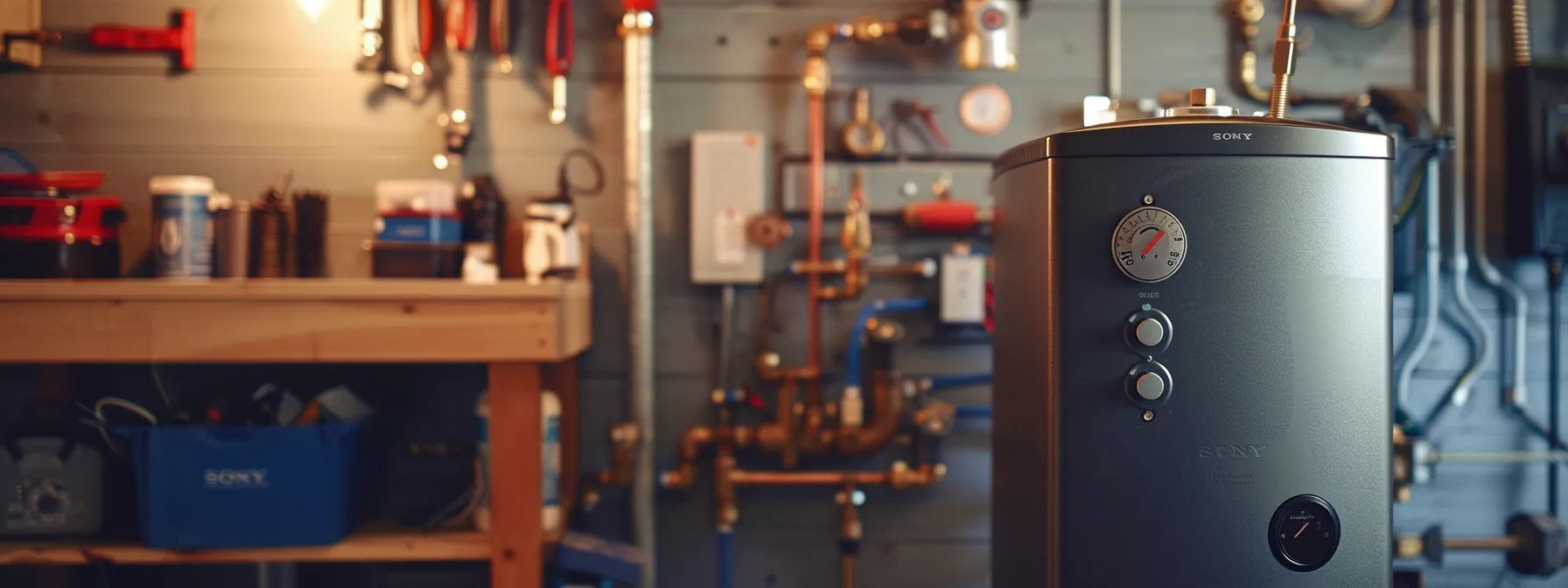
Electric water heaters are generally known for their simplicity and ease of maintenance. They lack some of the complex parts found in gas water heaters, such as burners and pilot lights. This simplicity often translates to less frequent repairs. However, electric water heaters are not devoid of issues. Their heating elements and thermostats can malfunction over time, especially if the system is not properly maintained.
In contrast, gas water heaters typically feature more components, which can lead to a higher frequency of repairs. Issues such as gas leaks or problems with the thermocouple—a safety device that controls gas flow—are common in gas models. Despite these challenges, gas water heaters are often preferred for their ability to heat water quickly, making them ideal for larger families or homes with significant hot water demand.
According to recent research, electric water heaters tend to require repairs less frequently than their gas counterparts. This makes them a popular choice for homeowners who prefer a low-maintenance option. For a more detailed breakdown of repair services, you can explore Water Heater Repair options.
Factors Influencing Repair Needs in Electric Water Heaters
Several factors influence the repair needs of electric water heaters. One significant factor is the quality of the water supply. Hard water, which contains high levels of minerals, can lead to sediment buildup. This buildup can affect the heating elements, leading to inefficiency and potential failure. Regular maintenance, such as flushing the tank, can mitigate these issues.

As electric water heaters age, their efficiency typically decreases. Older models may not benefit from modern energy auditing technologies that enhance performance and reduce the likelihood of repairs. Homeowners might consider upgrading to models that offer smart home integration, which can provide real-time monitoring and diagnostics.
Furthermore, ensuring that your electric water heater is installed according to universal design principles can prevent common installation errors that lead to premature repairs. Proper installation not only enhances the longevity of the heater but also ensures it operates safely and efficiently.
Common Issues Faced by Gas Water Heaters
Gas water heaters, while efficient, are prone to a variety of issues that necessitate repairs. One common problem is the failure of the thermocouple, which can prevent the pilot light from staying lit. This issue typically requires professional repair to ensure safe operation.
Another frequent issue is related to indoor air quality assessment, as gas water heaters can emit carbon monoxide if not properly ventilated. Ensuring that ventilation systems are functioning correctly can prevent hazardous conditions in the home.
Gas water heaters may also experience problems with their burners. Over time, these components can become clogged with debris, affecting the heater’s efficiency. Regular maintenance and cleaning can help mitigate these issues, ensuring the system operates effectively and safely.
Cost Implications of Repairs for Electric and Gas Water Heaters
When considering the cost implications of repairs, it’s important to note the differences between electric and gas water heaters. Electric Water Heater Repairs are often less expensive due to the simplicity of their components. Replacing heating elements or thermostats is generally more affordable than repairing gas-related issues.
In contrast, gas Water Heater Repairs can be more costly, particularly when dealing with complex issues like gas leaks or burner repairs. However, the overall cost can also depend on factors such as the availability of parts and the expertise required for repairs.
Homeowners should also consider the potential for energy savings when evaluating the cost of repairs. Energy-efficient models that comply with LEED certification standards may offer long-term savings, offsetting the initial repair costs. Furthermore, selecting models made with eco-friendly materials can contribute to a more sustainable home environment.
Conclusion

Understanding the repair needs of electric and gas water heaters is crucial for homeowners seeking reliable and cost-effective solutions. Electric water heaters typically require less frequent repairs and are easier to maintain, making them a suitable choice for many households. However, gas water heaters offer rapid heating capabilities, which can be advantageous for larger families. Evaluating your home’s specific needs and considering factors like installation, maintenance, and energy efficiency will guide you in making the best choice for your family. Embracing these insights ensures that your home remains a comfortable and efficient space.