Choosing the right Outdoor Tile for your home improvement project can be challenging, especially when durability is a top priority. Both porcelain and ceramic tiles are popular choices for outdoor applications, but their resilience can vary significantly. This article will delve into the durability of porcelain and ceramic Outdoor Tiles, offering a comparative analysis to help you make an informed decision. We’ll also explore factors influencing tile longevity, ensuring your outdoor spaces not only look great but stand the test of time.
Porcelain Outdoor Tile: An Overview of Durability
Porcelain tiles are well-regarded for their durability and are often chosen for outdoor applications due to their dense composition. Made from refined clay and fired at higher temperatures, porcelain tiles are known for their low porosity, making them highly resistant to moisture and frost. This characteristic is crucial in preventing cracking and chipping over time. Furthermore, the manufacturing process results in a hard-wearing surface that can withstand heavy foot traffic, similar to specifications in a Design Brief that emphasizes durability and sustainability. For those interested in incorporating Outdoor Tile into a hardscape design, porcelain is a reliable choice due to its superior durability.
An additional advantage of porcelain is its resistance to fading and staining, which is particularly beneficial in spaces subject to harsh weather conditions. According to a recent study by ArchDaily, porcelain tiles are less likely to retain dirt and can be easily cleaned, maintaining their aesthetic appeal over time.
Ceramic Outdoor Tile: Assessing Its Resilience
Ceramic tiles, on the other hand, are made from a coarser clay and fired at lower temperatures, which can affect their durability. While they offer a broad range of design options, including patterns and colors that align with Color Theory principles, ceramics are generally more porous than porcelain. This higher porosity makes ceramic tiles more susceptible to moisture absorption, potentially leading to cracks in freeze-thaw cycles common in outdoor environments.
Despite these challenges, ceramic tiles can still be a viable option for outdoor use if installed in areas with mild climates. Additionally, they are often more cost-effective than porcelain tiles, which can be a consideration in projects with tight budgets. A Houzz article highlights that when selecting ceramic tiles for outdoor use, it’s crucial to ensure they have a high PEI (Porcelain Enamel Institute) rating, indicating better wear resistance.

Comparative Analysis: Porcelain vs. Ceramic Durability
When comparing porcelain and ceramic tiles, porcelain is generally considered more durable for outdoor use. Its dense, non-porous nature makes it highly resilient to weather conditions, reducing the risk of damage over time. In contrast, ceramic tiles, while offering aesthetic flexibility, may require additional treatments or sealants to enhance their durability. This is akin to how Acoustical Treatment is used to improve sound quality in interior spaces.
Moreover, porcelain tiles are often preferred for high-traffic areas due to their strength and ability to withstand substantial weight. In contrast, ceramic tiles may be better suited for decorative applications where foot traffic is minimal. This aligns with principles found in Space Planning, where the function of the area dictates material selection.
When considering Outdoor Tile options, it’s essential to evaluate the specific needs of your space. For areas exposed to harsh weather, porcelain’s inherent durability provides a long-lasting solution that ensures both functionality and style.
Factors Influencing Outdoor Tile Longevity
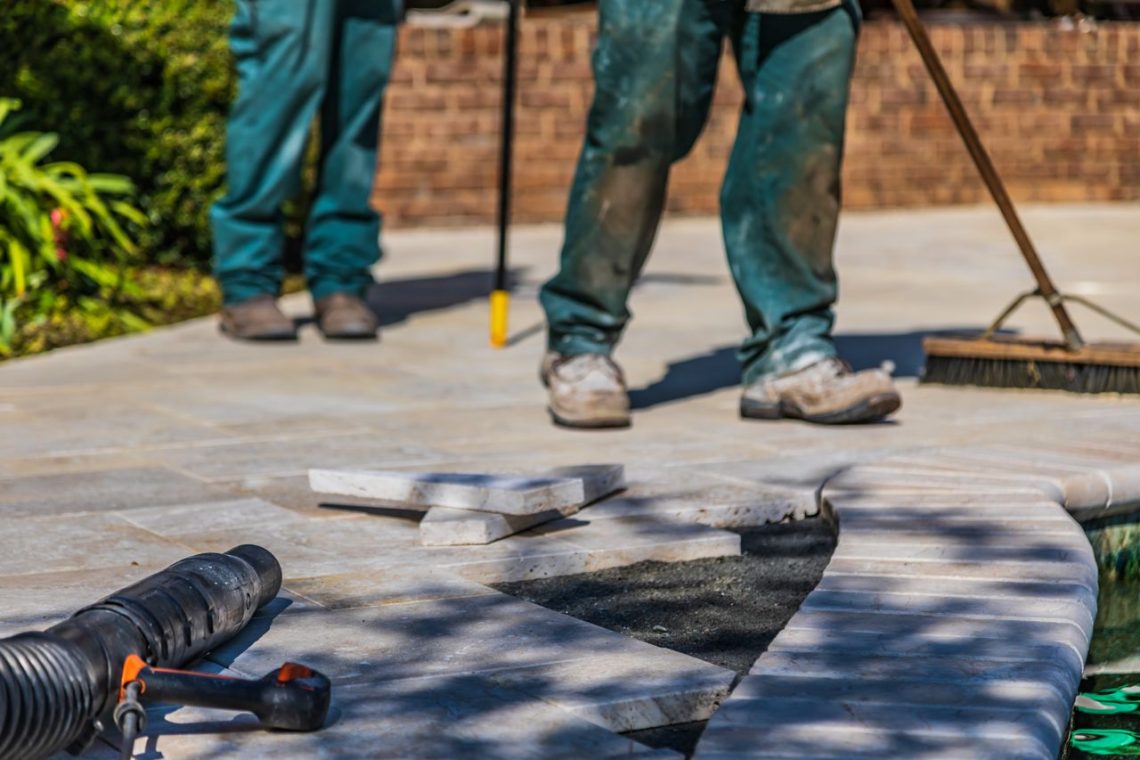
The longevity of Outdoor Tiles is influenced by several factors, including installation, maintenance, and environmental conditions. Proper installation is critical; tiles must be laid with appropriate adhesives and techniques to prevent shifting and cracking, similar to how CAD Software is used in precision design applications.
Maintenance practices also play a significant role in tile durability. Regular cleaning and sealing, especially for ceramic tiles, can protect against moisture and stains. Choosing Sustainable Materials for sealants and cleaning solutions can further enhance the lifespan of your tiles while aligning with eco-friendly design practices.
Finally, understanding local Zoning Regulations can impact tile choice, as certain materials may be restricted due to environmental considerations. By considering these factors, homeowners can ensure that their chosen tiles maintain their beauty and function for years to come.
Conclusion
Porcelain tiles generally offer superior durability compared to ceramic options for outdoor use. Their resistance to moisture, weather, and traffic makes them an excellent choice for enduring outdoor spaces. For those considering tile selections, evaluating the specific demands of their environment is crucial. By doing so, homeowners can create outdoor areas that are both beautiful and enduring, enhancing the overall home improvement experience.