
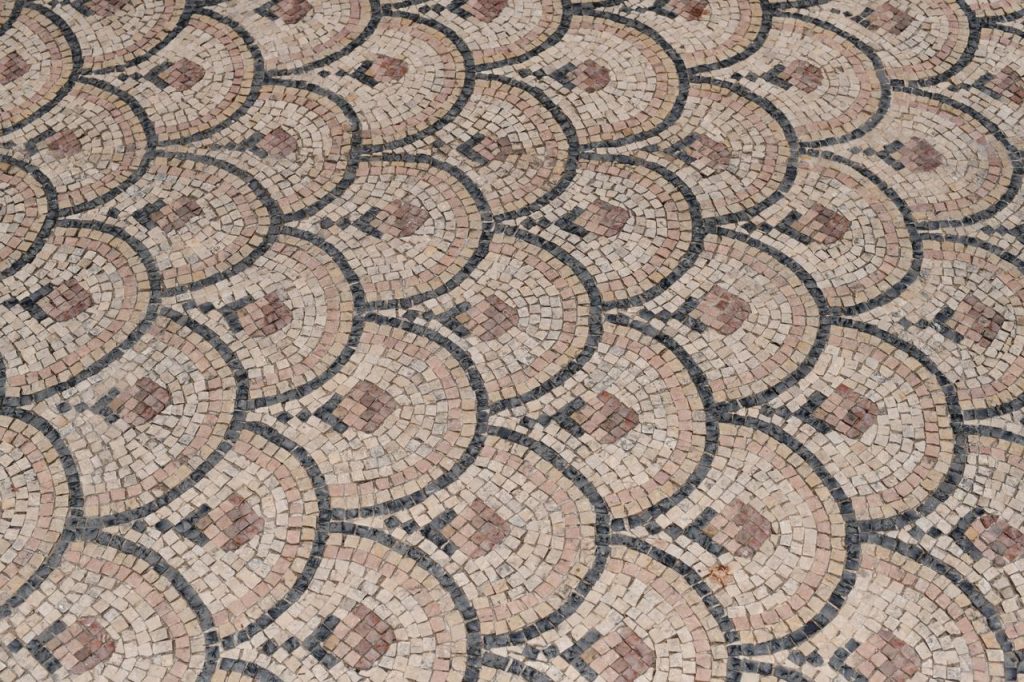
The integration of Roman Mosaics into modern homes offers a unique blend of historical charm and contemporary elegance, captivating homeowners and interior designers alike. As a focal point design element, these intricate patterns and vibrant colors can transform any space into a visual masterpiece. This article will explore how Roman Mosaics can elevate home aesthetics, touching on their timeless appeal, methods for incorporating them into modern interiors, and essential maintenance tips to ensure their longevity. Prepare to discover the enduring beauty and artistic value of Roman Mosaics in home improvement.
Enhancing Home Aesthetics with Roman Mosaic Artistry
Roman Mosaics are celebrated for their detailed artistry and historical significance, making them a perfect choice for those seeking to add a touch of cultural sophistication to their homes. In interior design, using Roman Mosaic as a focal point design can create impactful visual interest. By strategically placing these mosaics, such as in entryways or as kitchen backsplashes, they draw attention and enhance the overall aesthetic experience. According to the National Endowment for the Arts, incorporating such artistic elements can significantly boost a home’s aesthetic value, increasing its appeal to potential buyers.
Incorporating Roman Mosaics into a space planning strategy can redefine the dynamics of a room. For instance, these mosaics can be used to delineate areas within an open-plan living space, adding both function and style. Recent studies from Architectural Digest highlight how such strategic placement can maximize visual impact while maintaining spatial harmony.
Furthermore, Roman Mosaics can be integrated into mood boards during the initial design brief phase, helping homeowners and designers visualize how these timeless pieces fit into the overall aesthetic vision. By considering factors such as color rendering and lighting layering, designers can ensure that the mosaics complement other elements in the room, creating a cohesive and inviting atmosphere.
Timeless Elegance: The Allure of Roman Mosaic Designs
The allure of Roman Mosaics lies in their timeless elegance and ability to transcend eras. These designs, characterized by intricate patterns and vibrant colors, offer a distinctive aesthetic that can be both traditional and contemporary. A Roman Mosaic can serve as a sophisticated accent in modern interiors, blending seamlessly with various styles from minimalist to bohemian.
Roman Mosaics are often crafted using sustainable sourcing techniques, ensuring that they not only enhance a home’s aesthetics but also align with environmentally responsible practices. Their historical significance adds a narrative depth to any space, making them not just decorative elements but conversation pieces.
Moreover, the use of Roman Mosaics in custom cabinetry or millwork can elevate the sophistication of a room. These detailed designs add texture and visual interest, creating a luxurious feel that is both inviting and exclusive. Houzz’s recent analysis confirms that integrating such artisanal elements can substantially increase a home’s market value, appealing to those with an appreciation for craftsmanship and history.
Integrating Roman Mosaics into Modern Interior Spaces
Incorporating Roman Mosaics into modern interiors requires thoughtful planning and creativity. Designers often use CAD (computer-aided design) tools to visualize how these mosaics will fit within a room’s layout, ensuring that they complement existing design elements. This approach allows for precise placement and customization, adapting ancient artistry to contemporary needs.
Roman Mosaics can also be a key component in biophilic design, connecting indoor spaces with nature through organic patterns and materials. This integration promotes a sense of tranquility and wellness, enhancing the overall living experience and creating a harmonious environment.
Additionally, Roman Mosaic designs can be featured in finish schedules to coordinate with other design elements, such as flooring or wall treatments. This ensures that the mosaics are harmoniously integrated into the broader aesthetic of the home, providing a seamless transition between different design components.
Maintaining and Caring for Roman Mosaic Creations
Maintaining the beauty and integrity of Roman Mosaics necessitates regular care and attention. Proper cleaning techniques are essential to preserve their vibrant colors and intricate patterns. Using gentle cleaning solutions and soft brushes can prevent damage and wear over time.
Furthermore, homeowners should conduct an ergonomic assessment to ensure that the placement of Roman Mosaics does not interfere with daily activities. This involves evaluating the layout and ensuring that mosaics are positioned in areas where they can be appreciated without hindering functionality.
Finally, acoustical treatments can enhance the ambiance of spaces featuring Roman Mosaics, minimizing noise interference and allowing the artistry to be appreciated fully. By addressing acoustics, homeowners can create a serene environment that complements the visual beauty of the mosaics.
Conclusion
Roman Mosaics offer an unparalleled blend of historical artistry and modern elegance, making them a valuable addition to any home. Their ability to serve as focal points, enhance spatial dynamics, and elevate aesthetic appeal underscores their significance in interior design. For homeowners and designers alike, embracing the beauty of Roman Mosaics can transform spaces into timeless masterpieces, enriching both visual and cultural experiences.


